
A different side of the city
Hidden Bologna: canals and lanes
Via Piella’s little window, the former Jewish ghetto and the university district.
A small detour changes the city’s sound and pace. This walk connects three central areas with pauses close to everyday life. It is an invitation to notice water, passageways and neighbourhoods that visitors often cross too quickly, rather than a hunt for supposedly secret places.
Via Piella: see Bologna through its waterways.
Via Piella · Via Oberdan · Via Malcontenti
The little window in Via Piella looks onto the Canale delle Moline, between houses and bridges. Make a short stop, then explore the viewpoints in Via Oberdan and Via Malcontenti: the city’s water story extends beyond one photograph.
Canali di Bologna provides historical information and authorised visits. Water levels and views can vary, so do not expect the scene to match every image online. Avoid entering closed or technical areas in search of another angle.
The former ghetto: streets with a history.
Via dell’Inferno · Via Valdonica, 1/5
Via dell’Inferno, Via del Carro and Via Valdonica form a network of lanes for a slower walk. Look beyond their atmosphere: the former ghetto tells a story of segregation and Bologna’s Jewish community.
The Jewish Museum at Via Valdonica 1/5 helps place the streets in context. Check its opening and visitor arrangements. These lanes are also residential: photograph public spaces discreetly and respect private courtyards and entrances.
Via Zamboni: Bologna’s student life.
Via Zamboni · Piazza Verdi
Continue to Via Zamboni and Piazza Verdi, where libraries, lecture rooms, posters and conversations reveal the university city. Depending on your time, combine the walk with the National Gallery or another cultural visit.
Explore architecture and passageways during the day; check venues and programmes before choosing an evening stop. If you prefer quiet or travel with children, visit at a time that suits your routine instead of treating it as a compulsory stop at any hour.
Explore the official sources
Keep exploring Bologna.
All guides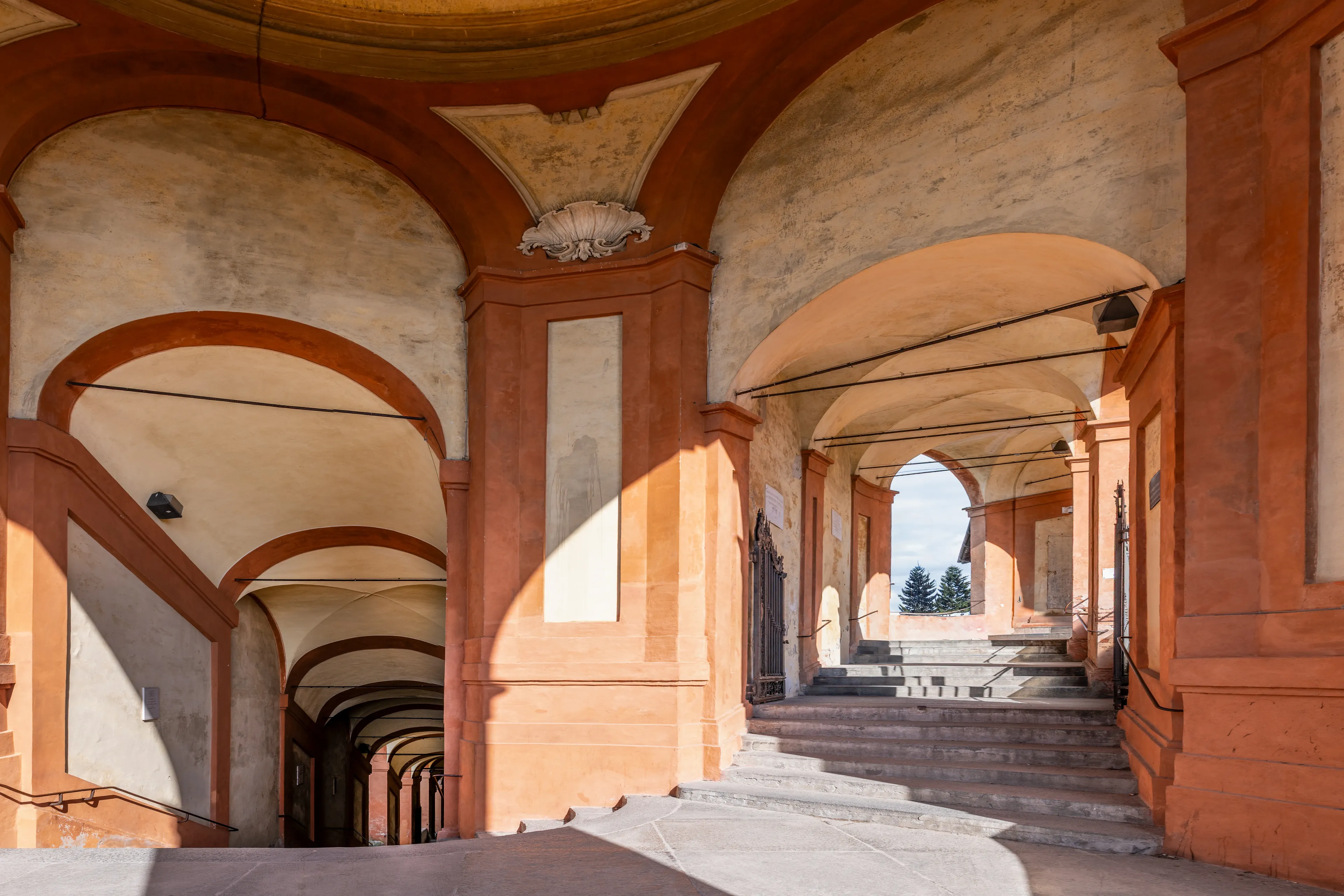
Walks and architecture
Bologna’s porticoes
Three routes through piazzas, palaces and hills, with the city’s arcades as your guide.
History, art & culture
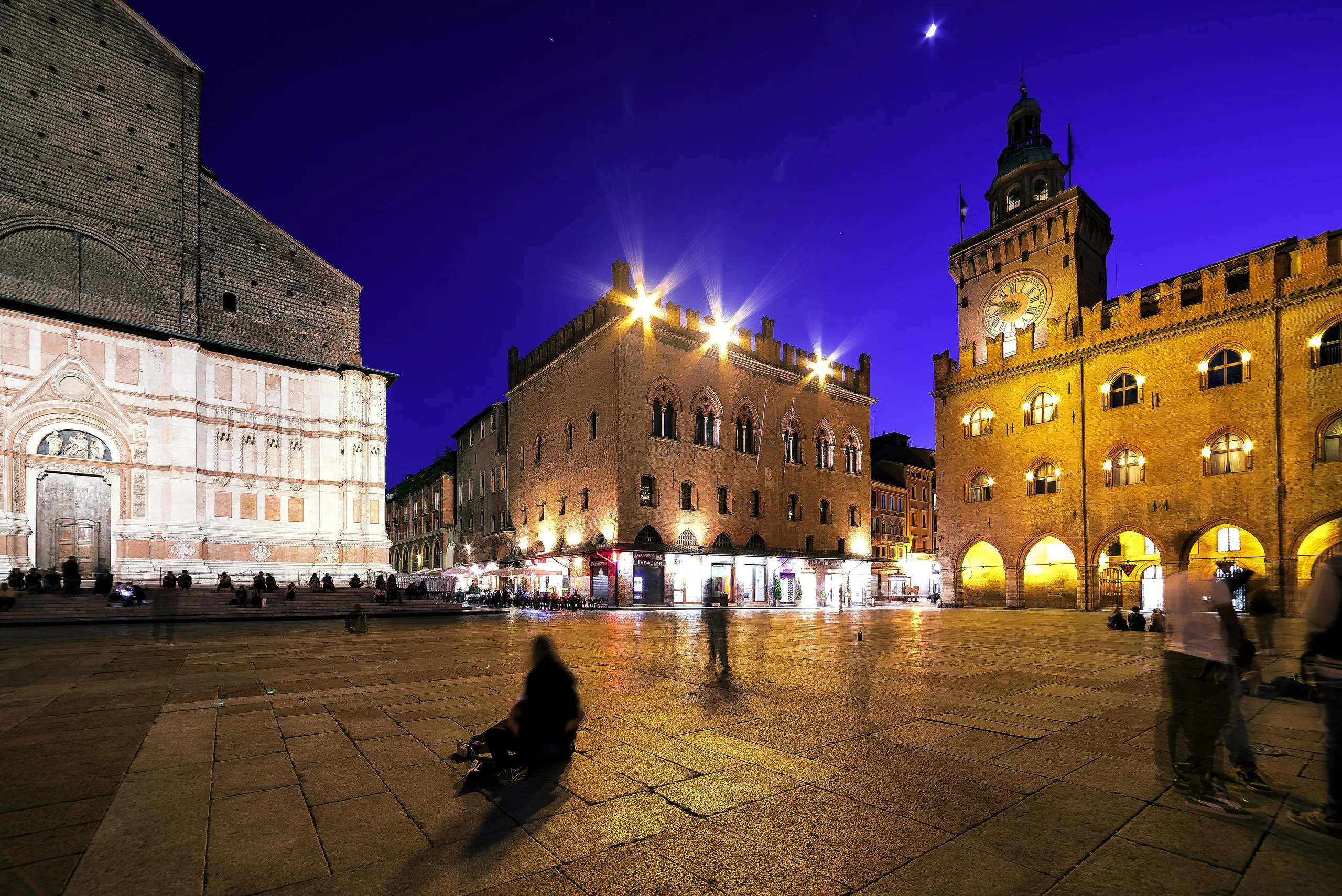
Art and museums in Bologna
Piazzas, palaces and museums, one step at a time.
Shopping for everyday life
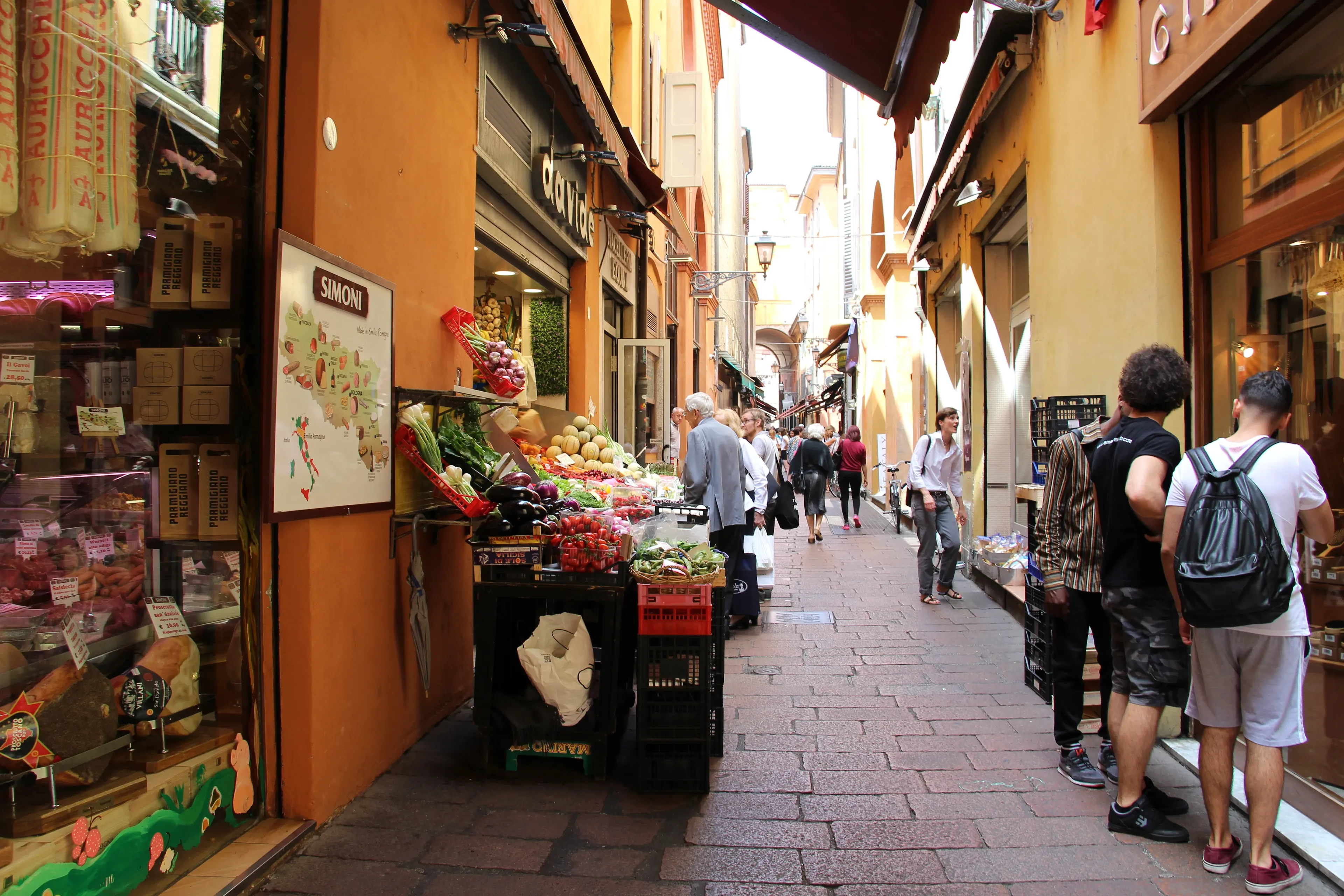
Markets in Bologna
Mercato delle Erbe, local producers at Mercato Ritrovato and the Quadrilatero’s food shops.